
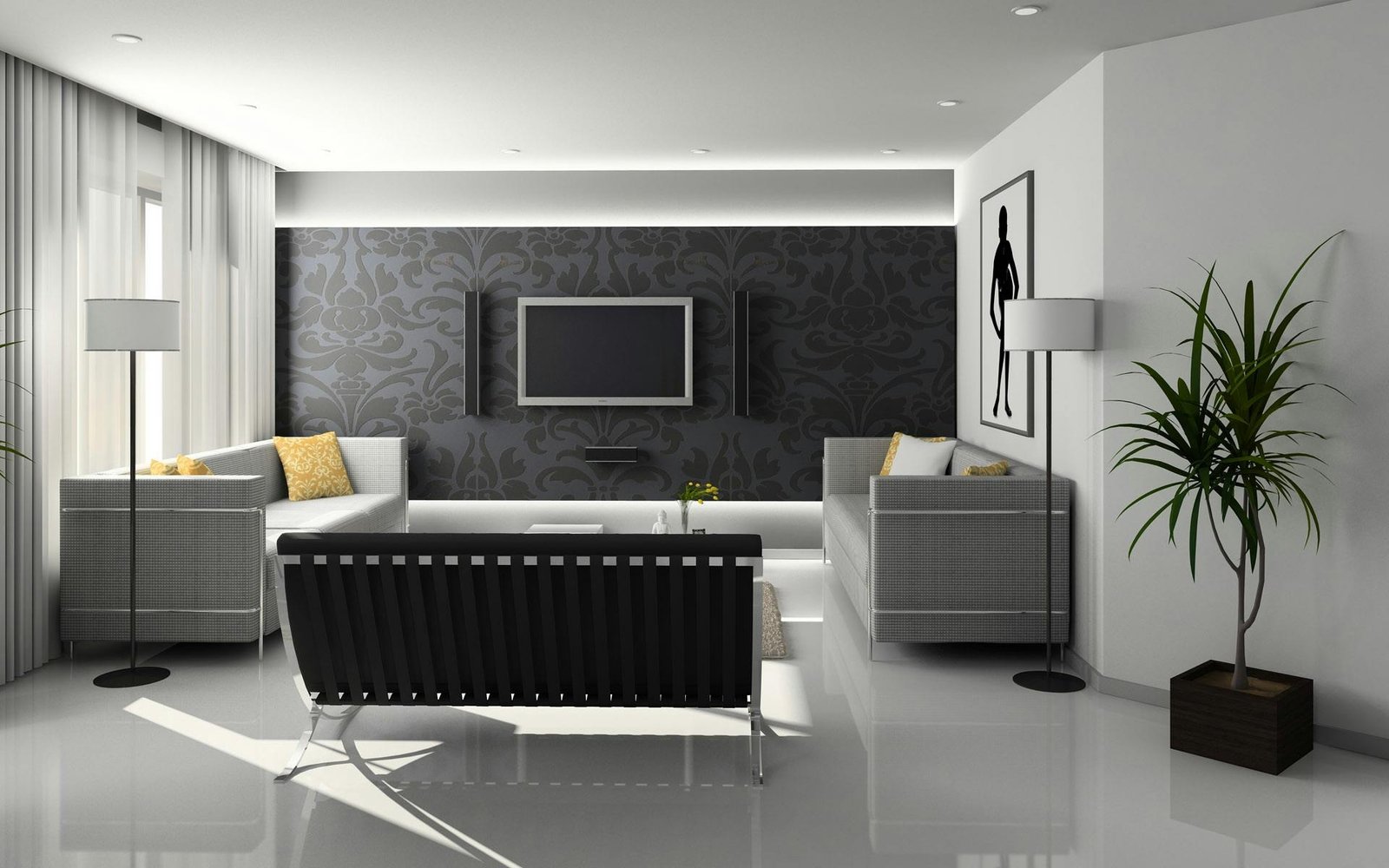
Have you ever walked into a room and immediately felt at ease, but you couldn’t quite explain why? The secret is almost always the lighting. Professional interior designers know that a single ceiling light is never enough to create a truly inviting space. The key to a beautifully designed room is a technique called lighting layering.
Layering involves using multiple light sources at different levels to create depth, functionality, and mood. By understanding the three fundamental layers of lighting—ambient, task, and accent—you can completely transform the atmosphere of your home. Here is how to master the art of layering.
Layer 1: Ambient Lighting (The Foundation)
Ambient lighting is the foundational layer. It provides the overall, general illumination that allows you to navigate a room safely and comfortably. Think of it as the substitute for natural daylight.
- Examples: Ceiling fixtures, recessed lighting, chandeliers, or large windows.
- The Goal: To create a baseline of light without causing harsh glare.
- Expert Tip: Always put your ambient lighting on a dimmer switch if possible, so you can control the base level of brightness depending on the time of day.
Layer 2: Task Lighting (The Functional)
Just as the name suggests, task lighting is localized light designed to help you perform specific tasks, such as reading, cooking, or working, without straining your eyes. It should be brighter and more focused than your ambient light.
- Examples: Desk lamps, under-cabinet kitchen lights, vanity mirrors, and bedside reading lights.
- The Goal: To provide targeted illumination exactly where you need it.
- Lighting Decors Pick: A focused Twin LED Wall Light placed perfectly next to a cozy reading chair provides excellent task lighting while maintaining a sleek, modern profile.
Layer 3: Accent Lighting (The Decorative)
Accent lighting is the magic layer. It is used to draw the eye to specific architectural features, artwork, or focal points in a room. This layer adds drama, depth, and personality to your space.
- Examples: Picture lights, wall sconces, LED strip lights inside shelving, and uplighting for plants.
- The Goal: To create visual interest and highlight your favorite decor.
- Lighting Decors Pick: Use our Wireless LED Picture Light to highlight a beautiful painting, or place a Frosted Glass Wall Lamp in a dark corner to “wash” the wall with a soft, decorative glow.
How to Bring It All Together
Now that you know the three layers, the trick is combining them seamlessly. Here are a few golden rules:
1. Balance is Key: You don’t need every layer turned on at full brightness all the time. Use them in combination to suit the mood. For a cozy movie night, turn off the ambient overheads and rely entirely on soft accent lighting.
2. Keep Color Temperatures Consistent: To keep your room looking cohesive, ensure the bulbs across all three layers share a similar color temperature. A warm, inviting living room should stick to the 2700K–3000K range across all fixtures.
3. Play with Heights: Don’t keep all your lights on the same visual plane. Mix ceiling lights (high), wall sconces and picture lights (mid-level), and table/floor lamps (low) to draw the eye around the room.
The Bottom Line
Mastering the art of layering lighting is the easiest way to elevate your interior design from basic to breathtaking. By thoughtfully combining ambient, task, and accent fixtures, you create a space that is not only highly functional but also deeply welcoming.
Ready to start layering? Browse our exclusive collection of modern wall lights and accent fixtures at Lighting Decors to find the perfect additions for your home.